Cause Of Loss InvestigationsRepair Protocol & Cost Estimates
Identifying the cause of a loss is only half the battle. Determining how to repair it correctly, and what that repair should reasonably cost, is where claims frequently stall, and it can be just as challenging to get right. Scopes that are too narrow may leave damage unaddressed and create the risk of a later claim. Scopes that are too broad can inflate cost and invite dispute. Either mistake creates friction between insurers, policyholders, and contractors that can drag a claim out for months.
Vision Forensic Engineering develops repair protocols and cost estimates that are directly tied to the documented cause of loss. Our recommendations combine forensic engineering analysis with practical construction expertise to produce repair scopes that are technically appropriate, code-compliant, and supported by well-documented cost estimates. This work can follow directly from one of our cause-of-loss investigations, or stand on its own for clients who already know the cause and just need a supportable scope and cost.
Repair Protocol vs. Cost Estimate: Two Distinct, Interdependent Deliverables
These terms get used interchangeably, but they answer two different questions:
- Repair Protocol (the method). The technically correct method and sequence of repair, matched specifically to the identified cause of damage, compliant with current code requirements, and specified through material selection and installation method. A repair protocol answers “what needs to happen, and how.”
- Cost Estimate (the value). The supportable dollar figure attached to that protocol, built line by line from the actual scope, not a flat per-square-foot assumption. A cost estimate answers “what will it cost, and why.”
We typically provide both together, because a repair protocol establishes the technical basis for the estimate, while the estimate translates that scope into an auditable construction cost. A protocol without a cost estimate isn't fully actionable for claims resolution, and an estimate that isn't tied to a correct protocol is an incomplete deliverable.
What Goes Into a Defensible Repair Protocol?
- Cause-matched scope. The repair method must correspond to the actual failure mechanism identified in the cause of loss investigation. Repairing a symptom without addressing the underlying cause can result in recurring damage and additional claims.
- Code compliance. Repairs are specified to meet the applicable building code edition in effect for the jurisdiction, rather than simply restoring the property to original construction standards when those standards no longer reflect current requirements. Where applicable, we also identify code upgrades that may be triggered by the extent of repair under local jurisdictional requirements.
- Material and manufacturer matching. Where an exact material match isn't available or code-compliant, we specify a functionally equivalent material and document the reasoning.
- Sequencing and dependencies. Complex repairs often involve multiple trades in a specific order; a scope that doesn't account for sequencing can create downstream cost and schedule problems.
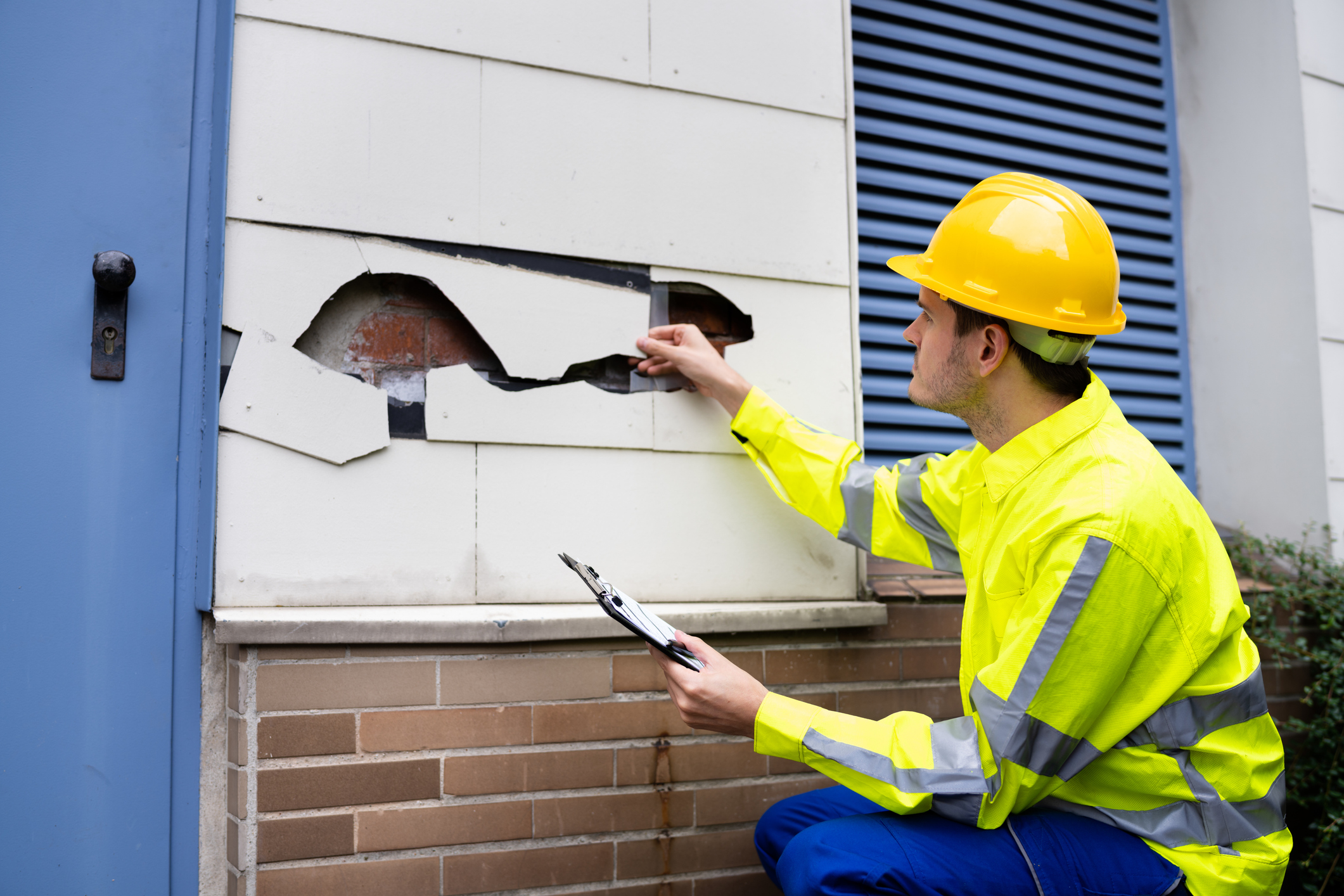
- Supporting documentation. Every line item in the protocol is tied back to a specific finding from the field investigation—photographs, measurements, and test data—so the scope can be supported if challenged.
Need an Independent Repair Protocol or Cost Estimate?
Whether you're resolving a disputed claim, planning repairs after a forensic investigation, or establishing a defensible project budget, Vision Forensic Engineering provides repair recommendations and cost documentation grounded in engineering analysis and practical construction expertise.