Forensic EngineeringConstruction Defect Investigation & Expert Analysis

Construction defects rarely announce themselves clearly. A stucco crack could be normal shrinkage or a sign of a missing weather-resistive barrier behind it. A sloped floor could point to settlement, a framing error, or nothing structural at all. Distinguishing a construction defect from ordinary wear, deferred maintenance, or an unrelated event requires more than a visual inspection — it requires a systematic forensic engineering investigation performed by an independent expert with no stake in the outcome.
Vision Forensic Engineering provides independent construction defect investigations for insurance carriers, attorneys, general contractors, developers, and property owners. We determine the origin and cause of construction defects, define the scope of the resulting damage, and, when a matter proceeds to litigation, provide expert testimony supported by documented engineering analysis and prepared to withstand technical and legal scrutiny.
What Qualifies as a Construction Defect?
Construction defects generally fall into one of four categories, and identifying which one, or combination, applies is often central to the dispute:
- Design defects: Errors or omissions in architectural or engineering plans that cause a building component to fail to perform as intended, even when built exactly to specification.
- Material defects: Products or materials that fail prematurely due to manufacturing flaws, improper specification for the application or climate, or incompatibility with adjacent materials.
- Workmanship (construction) defects: Installation that deviates from the design documents, manufacturer instructions, or accepted trade standards — a frequent source of residential and light commercial disputes.
- Subsurface and soils-related defects: Inadequate site preparation, compaction, or drainage design that can lead to differential settlement, slab movement, or foundation distress.
Properly identifying the defect mechanism is critical because it often determines which party bears responsibility: the designer, the manufacturer, the installing contractor, or the geotechnical engineer. That allocation is frequently the central question in construction litigation.
Common Areas We Investigate
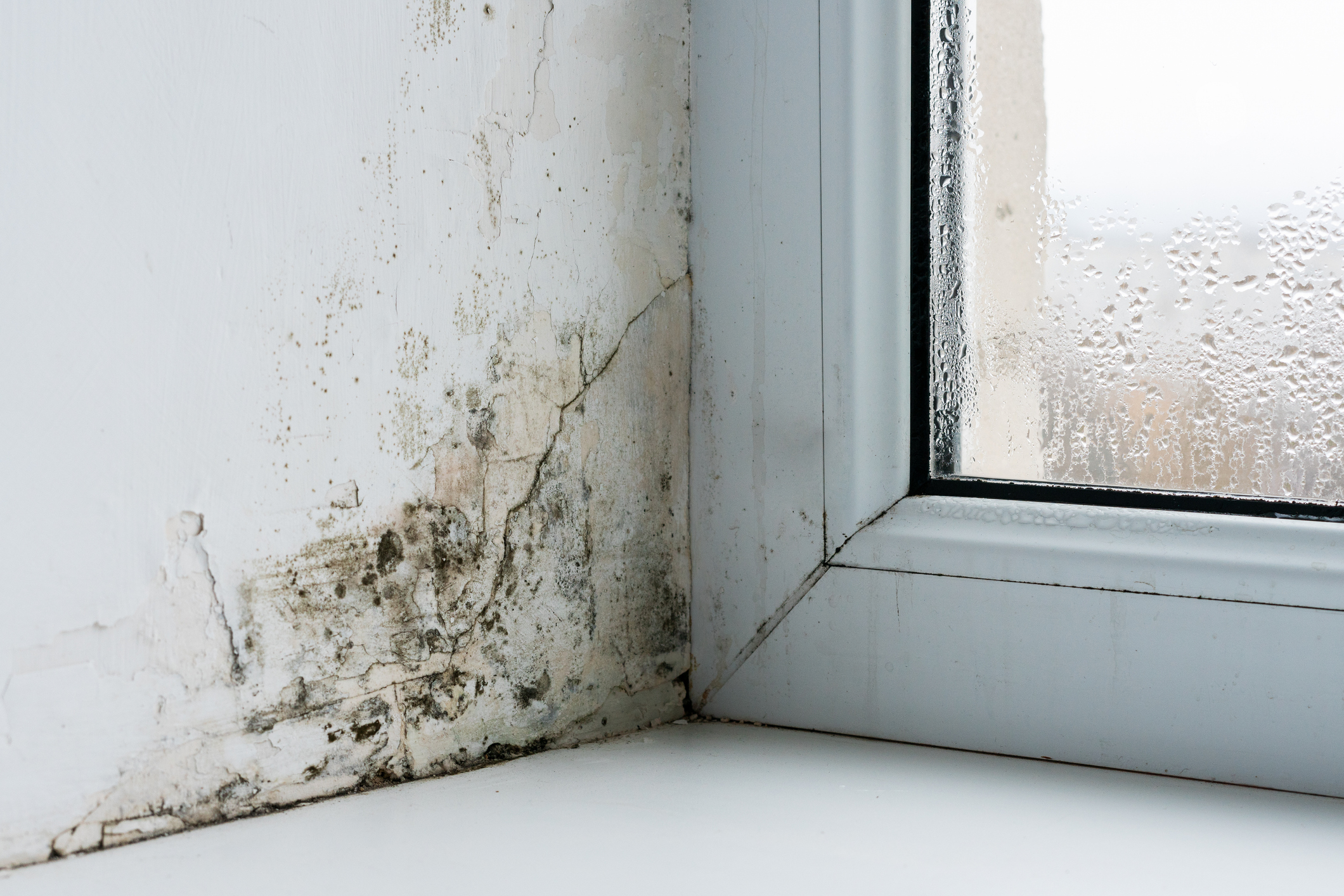
- Building envelope and water intrusion: Stucco and EIFS systems, roofing, window and door flashing, deck and balcony waterproofing, exterior cladding, and masonry cracking.
- Structural issues: Foundation cracking and movement, framing deficiencies, and load path problems.
- Site and soils conditions: Settlement, poor drainage, and improper grading contributing to moisture intrusion or structural distress.
- MEP-related failures: Plumbing, electrical, or HVAC installation issues that cause or contribute to property damage.
- Code compliance gaps: Construction that deviates from the building code edition in effect at the time of permit, contributing to the failure at issue.
Need an Independent Construction Defect Investigation?
Whether you're evaluating a potential defect claim, responding to allegations, or preparing for litigation, Vision Forensic Engineering provides objective investigations backed by licensed engineers, documented methodology, and peer-reviewed reporting.