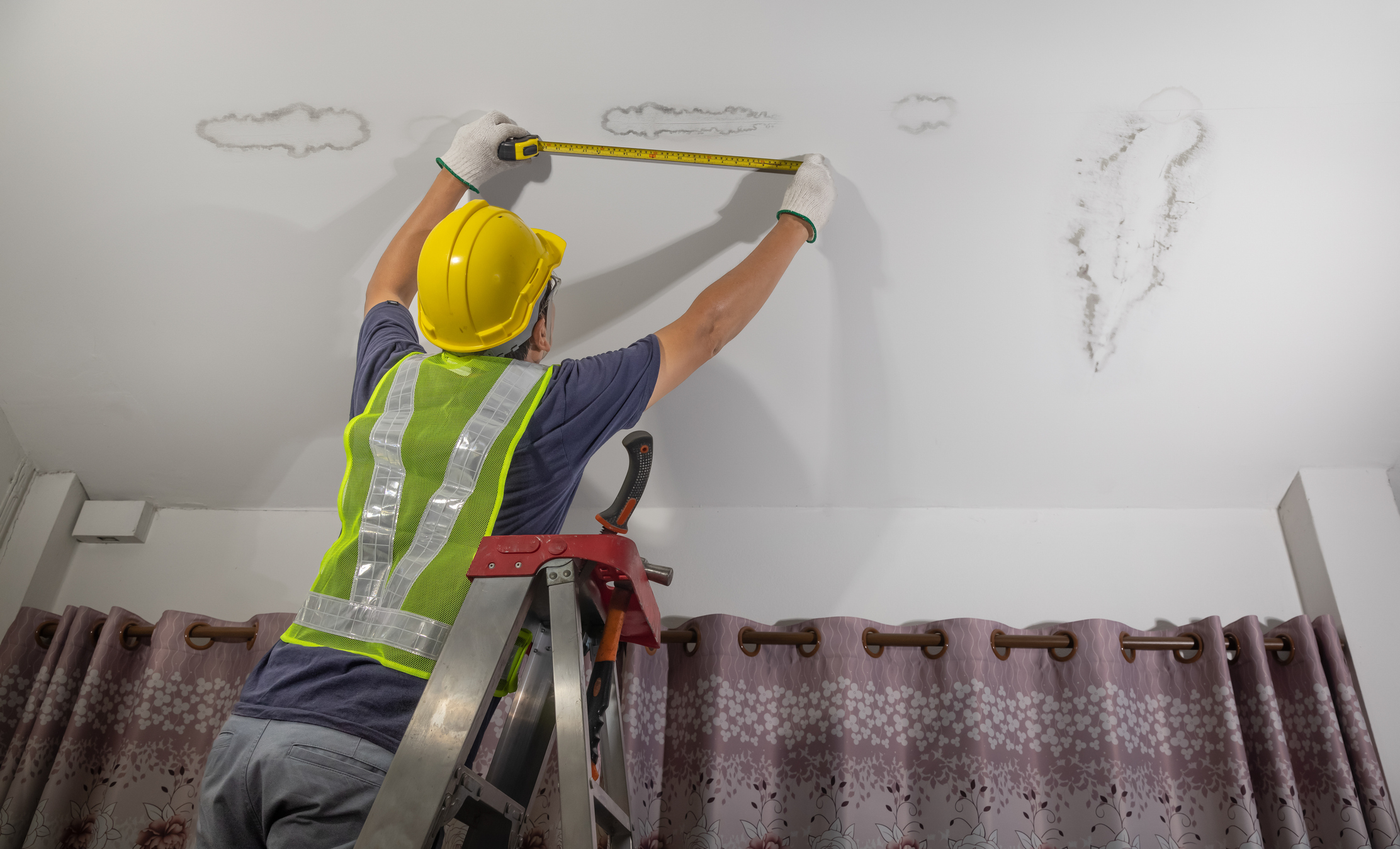
Residential and Commercial Property Damage Causation
Cause of Loss Investigation
Forensic EngineeringCause of Loss Investigation

Every insurance claim, construction dispute, and litigation matter involving property damage eventually comes down to one question: what caused the damage? The answer determines whether a loss is covered or excluded, whether a third party bears responsibility, and how repairs should be scoped and paid for. Getting that answer wrong, or getting it right but being unable to support it, can be costly for everyone involved.
Service BranchesTypes of Losses We Investigate
Cause of loss work generally falls into two broad categories, each with its own investigative approach. Other assignments regularly supported include plumbing failures, fire damage, impact events, foundation movement, moisture intrusion, and mechanical system failures.
Construction Defect
Construction defect assignments require disciplined evaluation of scope, sequencing, detailing, and whether observed distress aligns with design, workmanship, or maintenance issues.
Open pageWeather Damage
Weather-related losses often turn on subtle distinctions between storm-created damage, long-term wear, deferred maintenance, and pre-existing structural weakness.
Open pageRepair Protocol & Estimates
When scope must be translated into action, Vision can frame repair logic, sequencing, and technical parameters for practical implementation.
Open pageBuilding Consulting
Some assignments require broader building consulting beyond a single causation question, especially when conditions, repairs, and stakeholder coordination overlap.
Open pageWhy VisionOur Investigation Process
Need an Objective Cause of Loss Investigation?
Whether you’re adjusting a claim, preparing for litigation, or resolving a construction dispute, Vision Forensic Engineering provides timely, evidence-based investigations backed by licensed engineers and peer-reviewed reporting.
Cause Of Loss FAQs
Answers to common questions about cause of loss investigations.
It is the specific, documented event or condition responsible for property damage, such as wind uplift, a plumbing failure, or a construction defect, which determines how a policy responds to a claim.
Insurance carriers, attorneys, contractors, and property owners can all request one. Carriers typically order investigations during claims adjustment; attorneys often engage us for litigation support.
Most assignments are completed within 14 days of acceptance, from initial contact through final stamped report.
A cause of loss report identifies why damage occurred. A repair estimate defines what it will cost to fix it based on that cause. We provide both, but they are distinct deliverables.
Yes. Our reports are built on documented methodology and undergo internal peer review prior to delivery so they are prepared to withstand deposition, cross-examination, and appraisal review.
Depending on the assignment, our engineers can provide expert consultation, deposition testimony, and courtroom testimony regarding investigation findings and engineering opinions.
We work with all parties—carriers, attorneys, contractors, and private owners—while maintaining strict objectivity regardless of who engages us.
All 50 states.
A residential owner may benefit when the cause of damage is disputed, the source of water intrusion or structural distress is unclear, or an independent engineering opinion is needed before pursuing repairs, a claim, or a dispute.
Commercial properties often involve more complex building systems, larger repair decisions, multiple stakeholders, and operational impacts. An independent causation opinion can help clarify responsibility and support a defensible path forward.